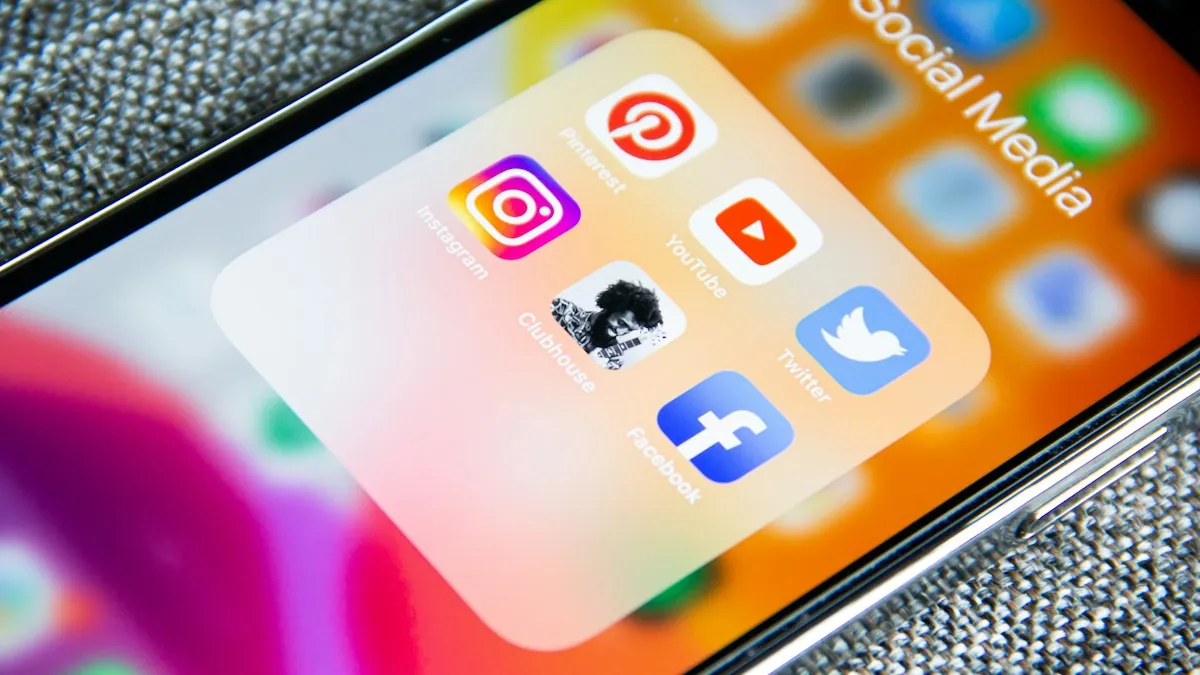
Search ads answer a question someone has just asked. Social ads interrupt someone who was doing something else. That difference shapes everything: the audience has to be chosen, the message has to earn attention in a second, and results depend heavily on what was prepared before the first ad ran.
Choose the platform by audience
- Meta (Facebook and Instagram). The widest reach and the lowest cost per click. Strong for consumer products, local businesses and retargeting.
- LinkedIn. Targets by job title, company size and industry. Clicks cost several times more, which only makes sense when a customer is worth a lot.
- YouTube. Video ads, managed through Google Ads. Good for explaining something that needs showing.
- Others. Each further platform has its own audience. Add them once the first is working.
Start with one. Splitting a small budget across four platforms gives none of them enough data.
Set one goal
The platform optimises for whatever you tell it to. Ask for clicks and it finds people who click, which is not the same as people who buy. Ask for enquiries or purchases and it looks for people like those who completed one. Choose the outcome you want and make sure it can be measured.
Tracking first
This is the step most often skipped.
- Install the platform's tracking code on the site: the Meta Pixel or the LinkedIn Insight Tag.
- Define the conversion events: form sent, purchase, booking.
- Add server-side tracking, such as Meta's Conversions API, where you can. Browsers and ad blockers stop a share of what the browser tag sends.
- Ask for consent where the law requires it, and respect the answer.
- Tag every ad link with campaign parameters, so analytics shows the source.
Test it with a real submission before spending.
Audiences
Retargeting. People who visited your site, opened your emails or engaged with your profile. They already know you. This is usually the cheapest audience to convert, and it is small.
Customer lists and lookalikes. Upload your customer list, with consent in order, and the platform finds people with similar traits. Results depend on the quality of the list.
Interest and profile targeting. People chosen by interests, job, location or behaviour. This is how you reach strangers.
Exclude existing customers from campaigns meant to find new ones.
Creative
- The image or the first seconds of video decide whether anyone stops. Lead with the benefit or the problem, not your logo.
- Make video understandable without sound, with captions.
- Design for a vertical phone screen.
- One message per ad and one action.
- Prepare three to five versions. You cannot predict which will work, and audiences tire of an ad within weeks.
Where the click goes
A lead form inside the platform is easy to fill, so it produces more leads, often of lower quality. A landing page asks more effort and filters for intent. Whichever you choose, the page or form must repeat the promise of the ad, load fast on a phone and ask only for what you need. And someone has to reply to the lead within hours, or the spend is wasted.
Budget and patience
The platforms need a number of conversions before their delivery settles. Changing budgets, audiences and ads every day restarts that learning. Set a budget you can keep for two to four weeks, change one thing at a time, and judge by cost per enquiry or sale. Likes and reach are not results.
Summary
Pick one platform, set one measurable goal, get tracking right, build audiences, prepare several creatives, and make sure leads are answered. Paid social campaigns are part of our SEO and digital marketing service. If you are about to start, talk to us before the first payment goes out.